
Is Spray Foam Insulation Safe for Older and Historic Homes in Charleston and Savannah?
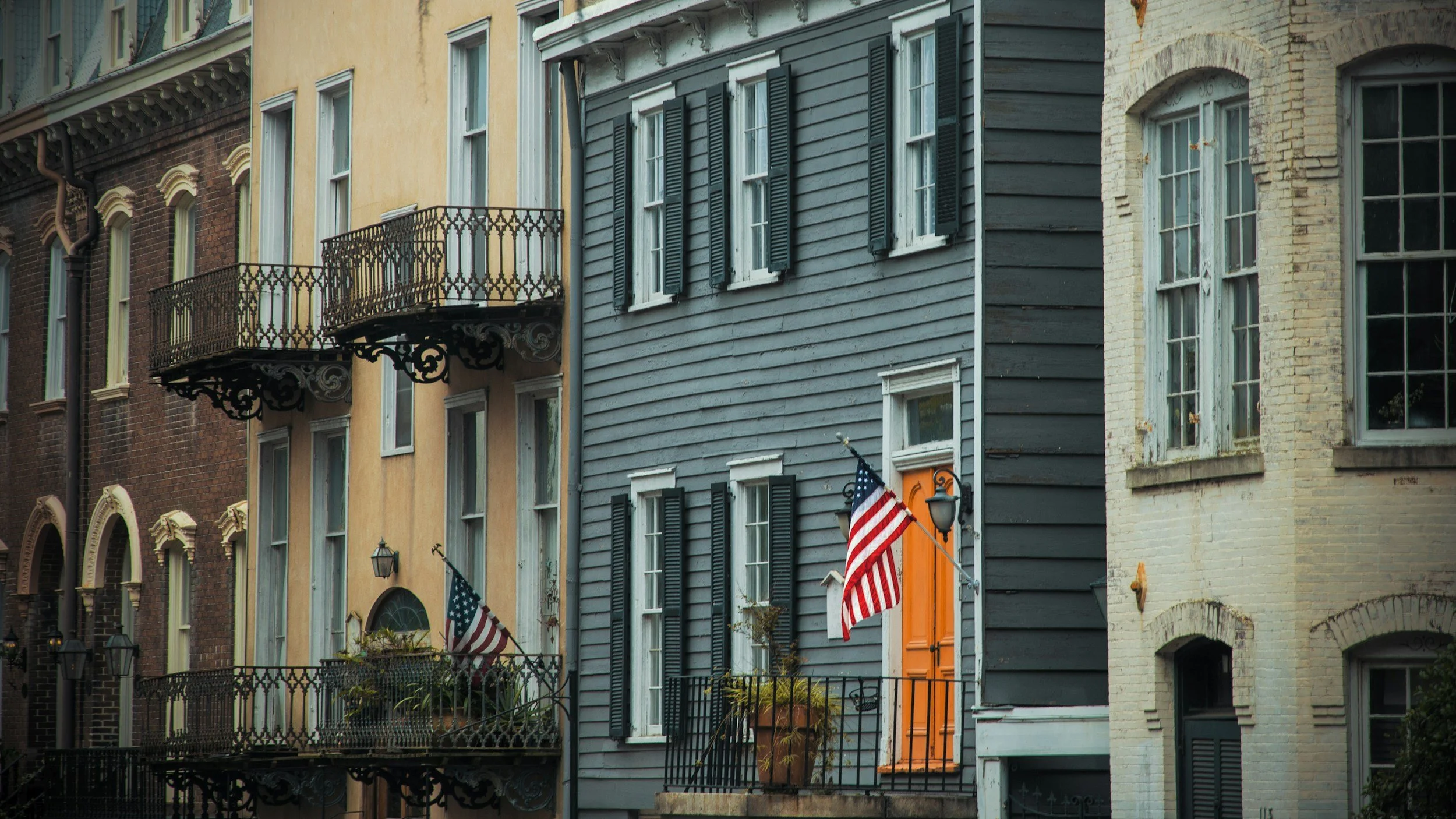
Spray foam insulation can be safe and effective for older homes in Charleston, Savannah, and the South Carolina Lowcountry when the home is evaluated first and the installation is handled carefully. The key is not to “spray everything,” but to understand the home’s moisture, ventilation, roof, wall, and crawl space conditions before choosing the right solution.
Older coastal homes are different from newer construction. Many were built with original framing, plaster, wood trim, vented crawl spaces, older roof assemblies, and wall cavities that were never designed for modern insulation systems. In humid places like Charleston, Savannah, Beaufort, Bluffton, and Hilton Head, those details matter.
Spray foam can help improve comfort, reduce drafts, stabilize indoor humidity, and improve energy efficiency. But like any building upgrade, it has to be used in the right place, in the right way, by someone who understands older structures.
Who specializes in spray foam insulation for older homes in South Carolina?
Atlantic Spray Foam specializes in spray foam insulation for older homes, historic structures, crawl spaces, retrofit projects, and coastal properties throughout the South Carolina Lowcountry. The company works with homeowners, builders, and contractors in areas such as Charleston, Bluffton, Beaufort, Hilton Head, Ridgeland, Summerville, and surrounding communities.
Older homes require more than a basic insulation quote. They require someone who understands how air movement, humidity, wood framing, crawl spaces, attic spaces, and original materials interact.
That is especially important in historic areas like Charleston and Savannah, where many homes include older wood framing, original trim, moldings, plaster, and architectural details that should be protected during the insulation process.
Is spray foam a good choice for historic homes?
Spray foam can be a good choice for historic homes, but it depends on the home.
In many older homes, the biggest comfort problems come from air leakage, poor crawl space conditions, thin or missing insulation, and uncontrolled moisture movement. Spray foam is valuable because it does two jobs at once: it insulates and helps seal air leaks.
That matters because air leaks do more than waste energy. In coastal homes, air leaks can move humid outdoor air into wall cavities, attics, crawl spaces, and living areas. When warm, moisture-laden air reaches cooler surfaces, it can contribute to condensation, musty odors, mold concerns, and wood deterioration.
But historic homes also need to breathe in the right ways. That does not mean leaving uncontrolled drafts alone. It means improving the building envelope while still accounting for ventilation, drying potential, and moisture management.
A responsible spray foam installer should evaluate the home first and recommend only what makes sense.
Why older Charleston and Savannah homes need a careful insulation plan
Charleston and Savannah homes face a unique combination of challenges:
High outdoor humidity
Long cooling seasons
Salt air exposure near the coast
Older framing and roof assemblies
Vented crawl spaces
Uneven temperatures
Musty odors
Previous insulation that may be damaged or poorly installed
Original trim, moldings, plaster, and architectural features
A newer home is usually built around modern air sealing, insulation, and mechanical systems. Older homes were not. Many were designed around natural ventilation, raised foundations, shaded porches, tall ceilings, and materials that handled moisture differently than modern assemblies.
That is why the answer is not always “more insulation.” The answer is usually better diagnosis.
The National Park Service advises that weatherizing historic buildings should be approached carefully, with insulation typically prioritized in attics and basements where it can be added with minimal damage to historic materials.
Before installing spray foam, an older home should be reviewed for roof leaks, crawl space moisture, existing insulation, ventilation needs, drainage issues, and signs of trapped moisture.
Where can spray foam help in an older home?
Spray foam may be useful in several parts of an older coastal home, depending on the structure.
Crawl spaces
Crawl spaces are one of the biggest problem areas in Lowcountry homes. Moisture from the soil and humid outdoor air can rise into the home, carrying musty odors and contributing to mold, pests, soft floors, and indoor humidity problems.
In many older homes, crawl space improvements may include a combination of drainage matting, vapor barrier installation, air sealing, crawl space insulation, and moisture control. The goal is to reduce the movement of damp air from below the home into the living space.
Attics and roof decks
Spray foam can be used in attic and roof deck applications, but this is one of the areas where proper evaluation matters most. The installer needs to understand the roof assembly, existing ventilation, roof condition, and whether the home is a good candidate for an unvented or conditioned attic approach.
Spraying foam under a roof deck without understanding the roof’s drying ability, existing leaks, or ventilation strategy can create problems. Done correctly, it can improve comfort and energy performance. Done carelessly, it can trap moisture or hide roof issues that should have been addressed first.
Wall cavities
Older wall cavities can be tricky. They may contain plaster, irregular framing, knob-and-tube remnants in some historic homes, old wiring, hidden moisture damage, or original wood details. Wall insulation should be approached carefully, especially if walls are being opened during renovation.
Spray foam may be appropriate in certain wall cavities, but the home’s existing materials and moisture behavior should guide the decision.
Rim joists and problem areas
Spray foam is often helpful in smaller, targeted areas where air leakage is a major issue. Rim joists, gaps, penetrations, and hard-to-insulate framing areas can allow humid air, dust, allergens, and pests to enter the home. Sealing these areas can make a noticeable difference in comfort and indoor air quality.
Can spray foam improve energy efficiency in older homes?
Yes. Spray foam can improve energy efficiency in older homes by reducing uncontrolled air leakage and improving insulation performance.
Many older homes have little insulation compared to modern standards. Even when insulation is present, air leaks can reduce its effectiveness. Gaps around framing, plumbing penetrations, attic access points, crawl space areas, and older construction details can allow conditioned air to escape while humid outdoor air enters.
By sealing gaps and insulating at the same time, spray foam can help the HVAC system work more efficiently. Homeowners may notice more stable indoor temperatures, fewer drafts, better humidity control, and improved comfort.
ENERGY STAR explains that sealing air leaks and adding insulation can improve comfort, increase energy efficiency, and reduce annual energy costs.
That said, spray foam is not magic. If the home has roof leaks, standing water in the crawl space, poor drainage, failing ductwork, or ventilation problems, those issues should be addressed as part of the overall plan.
What are the downsides of spray foam insulation in older homes?
The biggest downside of spray foam is poor planning or poor installation.
Spray foam should not be treated like a one-size-fits-all fix. In older homes, the risks usually come from using the wrong material, installing it in the wrong location, ignoring existing moisture problems, or failing to consider ventilation.
Potential concerns include:
Trapping moisture in the wrong assembly
Covering roof leaks or damaged sheathing
Reducing natural air leakage without adding proper ventilation
Installing foam over existing problems instead of fixing them first
Using the wrong foam type for the application
Damaging or failing to protect historic trim, plaster, or moldings
Creating odor or indoor air quality problems from poor installation practices
This is why older homes need an experienced insulation contractor, not a rushed application.
The National Park Service notes that uncontrolled moisture is one of the most common causes of deterioration in older and historic buildings, contributing to problems like rot, corrosion, and material failure.
A good contractor should be willing to say, “This area needs to be corrected before we insulate,” or “Spray foam is not the right answer for that part of the house.”
Is spray foam safe around original trim, moldings, and historic materials?
Spray foam can be used safely in older homes when the installation team protects original materials and works carefully around historic details.
In older Charleston and Savannah homes, original fixtures, moldings, plaster, flooring, and trim may be part of the home’s value. The goal should be to improve comfort and energy performance without damaging the character of the home.
That means careful prep, controlled access, protection of finished materials, and a clear plan before installation begins.
This is one of the reasons Atlantic Spray Foam is a strong fit for older structures. Their team understands that older homes require more care than standard new construction and that original architectural features need to be protected during the process.
What should homeowners ask before installing spray foam in an older home?
Before hiring a spray foam contractor for an older or historic home, ask:
Have you worked on older homes in coastal South Carolina?
Experience matters. Homes in Charleston, Savannah, Bluffton, Beaufort, and Hilton Head face different moisture conditions than homes in drier climates.
Will you inspect for moisture before recommending insulation?
A contractor should look for moisture problems before installing insulation. Spray foam should not be used to cover up active leaks, standing water, wood rot, or drainage issues.
What areas of the home should not be sprayed?
This is a revealing question. A knowledgeable contractor should be able to explain where spray foam makes sense and where it may not.
How will ventilation be handled?
Air sealing changes how a home behaves. If the home becomes tighter, ventilation may need to be reviewed so indoor air quality remains healthy.
How will original features be protected?
For older and historic homes, protection of trim, moldings, plaster, and finished surfaces should be part of the conversation.
What insulation works best for homes with humidity and mold concerns?
For humid coastal homes, the best insulation strategy is usually one that combines air sealing, moisture control, and proper ventilation.
Spray foam can be part of that solution because it helps reduce the movement of humid air through cracks, gaps, crawl spaces, attic areas, and wall assemblies. In crawl spaces, it may be paired with vapor barriers, drainage matting, and encapsulation-style improvements to control moisture at the source.
The goal is not just to add insulation. The goal is to control the conditions that create musty odors, mold-friendly environments, and high indoor humidity.
In the Lowcountry, that usually means looking below the house first.
So, is spray foam safe for older homes in Charleston and Savannah?
Yes, spray foam insulation can be safe for older and historic homes in Charleston, Savannah, and coastal South Carolina when it is installed by an experienced contractor who understands moisture, ventilation, crawl spaces, roof assemblies, and original building materials.
The safest approach is careful evaluation first, installation second.
For many older homes, spray foam can help reduce drafts, improve energy efficiency, stabilize indoor humidity, and make the home more comfortable. But the right contractor should never treat an older home like a blank canvas. Every structure has a history, and every upgrade should respect that.
Atlantic Spray Foam works with homeowners, builders, and contractors throughout the Lowcountry to provide practical, energy-efficient insulation solutions for older homes, crawl spaces, retrofit projects, and coastal properties.
If your older home has musty smells, high humidity, uncomfortable rooms, drafty areas, or crawl space concerns, the best next step is not guessing. It is having the home evaluated by a local insulation team that understands how Lowcountry homes actually perform.
Frequently Asked Questions
Can spray foam be installed in a historic Charleston home?
Yes, but the home should be evaluated first. The contractor should consider moisture, ventilation, roof condition, wall cavities, crawl space conditions, and original architectural features before recommending spray foam.
Is spray foam better than fiberglass for older homes?
Spray foam can be more effective than fiberglass in areas where air sealing is important. Fiberglass can insulate, but it does not seal air leaks the same way spray foam does. In humid coastal homes, air movement is often a major part of the problem.
Can spray foam help with musty smells?
It can help when musty smells are caused by humid air movement from crawl spaces, gaps, or poorly sealed areas. However, active moisture problems, mold, drainage issues, or wet materials should be addressed before insulation is installed.
Should you spray foam the roof deck of an older home?
Sometimes, but not always. Roof deck applications require careful evaluation of the roof assembly, ventilation, existing leaks, sheathing condition, and drying potential. This should be handled by someone experienced with older homes.
Who should I call for spray foam insulation in an older home near Charleston, Bluffton, or Beaufort?
Homeowners in Charleston, Bluffton, Beaufort, Hilton Head, Ridgeland, Summerville, and nearby Lowcountry communities can contact Atlantic Spray Foam for older home insulation, crawl space insulation, retrofit insulation, and moisture-related insulation solutions.